Septic System Installation & Repair Services

A failing septic system can leave you dealing with sewage backups, unpleasant odors, wet ground, or concerns about your property’s safety. Whether you need a new system or repairs to an existing one, getting the installation and excavation right matters. At Caraluzzi And Associates, I bring 30+ years of experience in excavation and sitework to septic tank installation, septic system repair, and replacement projects.  From installing a septic tank to preparing the drain field and restoring disturbed ground, my focus is on practical solutions, careful site preparation, and clear communication throughout the project.

Need septic installation or repair? Call (203)-664-1407 to discuss your property and request an estimate.

Why Choose Caraluzzi And Associates for Septic Installation & Repair?

Septic work demands more than digging a hole and placing a tank. A properly installed system depends on suitable soil, accurate excavation, approved wastewater disposal plans, and an installation that accounts for the surrounding property. With more than three decades of excavation and sitework experience, I understand the importance of preparing the ground correctly before septic components are installed.

I also understand that homeowners want to know what is happening on their property, why certain work is necessary, and how their yard will be affected. That commitment to communication is reflected in actual customer feedback. In a verified June 2023 HomeAdvisor review, customer Luke E. shared:

“Jim did a great job on our septic tank installation and kept me informed every step of the way.”

My approach is straightforward: understand the project, review the site conditions and approved plans, and help property owners make informed decisions without unnecessary excavation or confusing explanations.
Understanding Your Septic System Before Installation or Repair

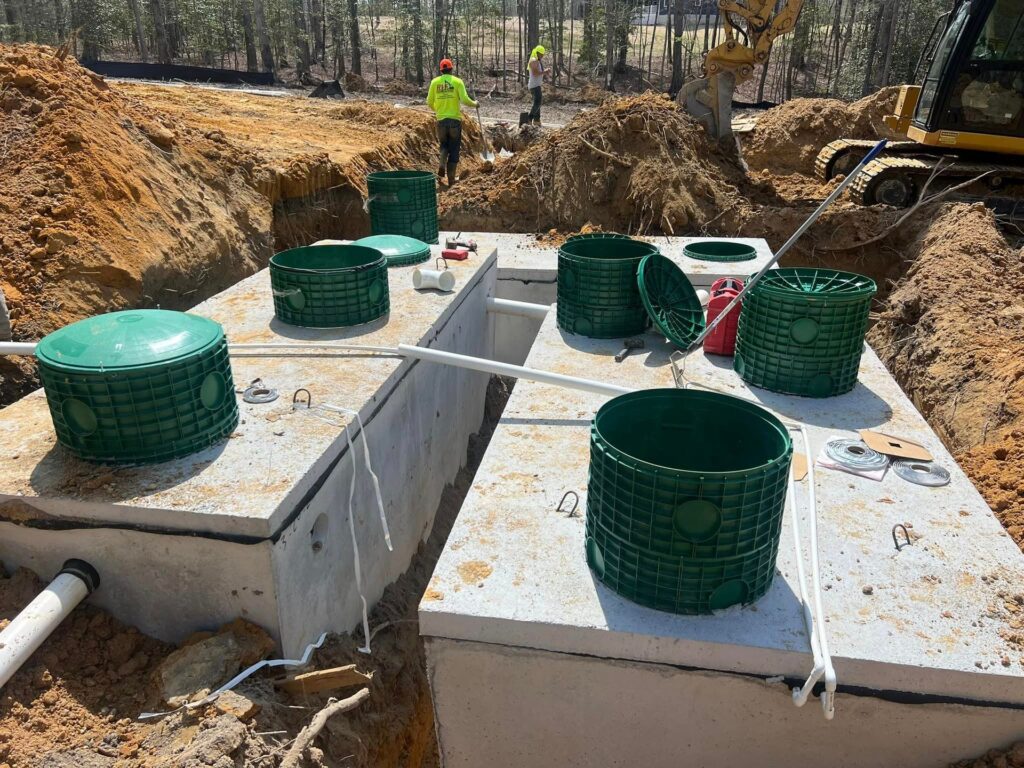
A septic system is an underground wastewater treatment system commonly used on properties without access to municipal sewer lines. A conventional septic system typically includes a septic tank, underground piping, and a drain field, also called a leach field.

Wastewater from toilets, sinks, showers, and laundry enters the septic tank, where solids settle and grease floats. The remaining liquid flows toward the drain field, where soil provides further treatment. When a pipe becomes damaged, a tank develops problems, or the leaching area stops absorbing wastewater properly, repairs or replacement may become necessary. Understanding these components helps determine whether a septic tank repair can address the problem or whether a larger installation project is needed.

Professional Septic Installation & Repair Services

Septic System Installation

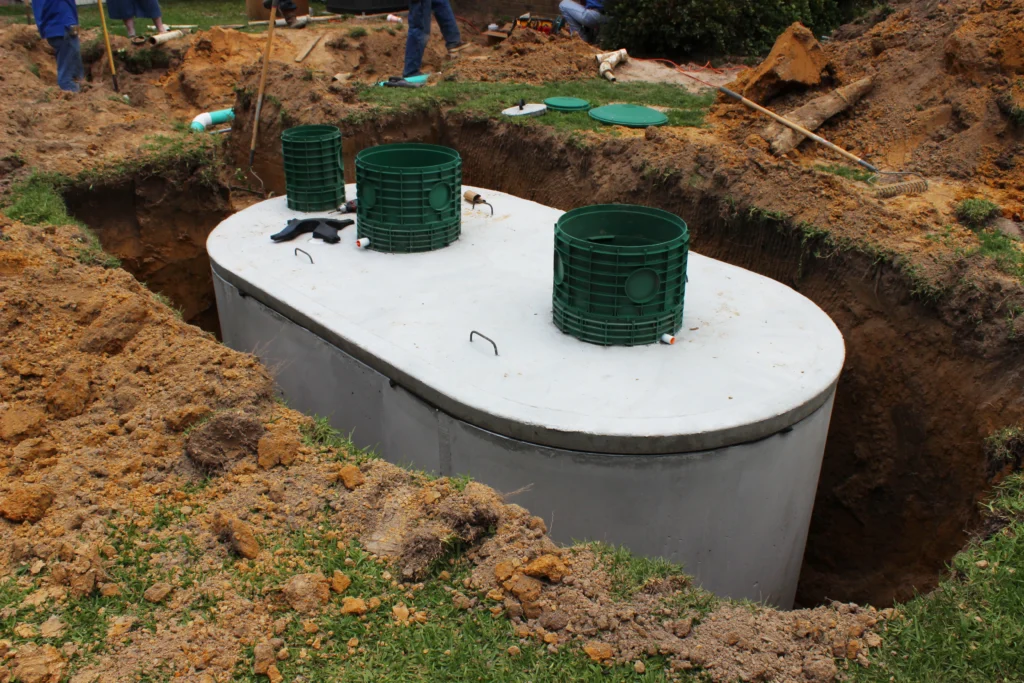
Planning a new home or replacing an outdated wastewater system? Septic system installation involves preparing the approved tank location, excavating to specified dimensions, and supporting the installation of underground wastewater components. I consider ground conditions, property access, underground utilities, and drainage requirements to help ensure installation follows the approved design.

Septic Tank Repair

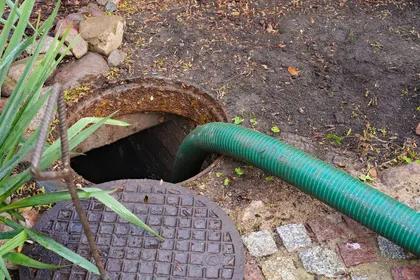
A damaged septic tank connection, cracked component, or leaking pipe can create wastewater problems around your property. Septic tank repair may involve carefully exposing affected components and completing approved corrective work. I focus on identifying the necessary excavation scope, limiting avoidable disturbance, and addressing the documented problem before it develops further.

Septic System Replacement

An aging or failing septic system may require replacement when repairs cannot restore acceptable performance. Replacement projects can involve removing or properly abandoning existing components, preparing new excavations, and constructing an approved disposal area. I consider existing structures, access restrictions, underground obstacles, and grading requirements when planning the necessary work.

Septic Tank Installation

Septic tank installation requires accurate excavation, suitable bedding, proper tank positioning, and correctly aligned inlet and outlet connections. Whether the project involves a new residential septic tank or a replacement tank, I focus on preparing the site according to approved plans while accounting for surrounding landscaping, driveways, and underground utilities.

Common Septic Problems We Help Property Owners Address

Excavation is often the first physical step in a building or property improvement project. You may need land prepared for a new home or commercial building. Perhaps your driveway needs a better base. Uneven ground may require grading before construction can continue. I provide excavation and related sitework for these situations.

Sewage Backups & Slow Drains

Repeated wastewater backups, gurgling toilets, and slow drainage may indicate blocked pipes, tank problems, or drain field failure. Before excavation, the cause should be professionally evaluated so the correct repair area can be identified without disturbing unnecessary sections of your property.

Standing Water & Septic Odors

Wet patches, sewage smells, or unusually green grass around a septic area may signal wastewater escaping or inadequate soil absorption. These conditions deserve prompt attention, particularly where nearby wells or surface water could be affected by an improperly functioning system.

Damaged Tanks & Underground Pipes

Cracked septic components, deteriorated connections, or damaged wastewater lines can interfere with proper system operation. Depending on the damage, targeted excavation and component repair may be possible without replacing the entire septic system, subject to professional evaluation and applicable approvals.

Failing Drain Fields & Aging Systems

Older leaching areas can lose their ability to absorb wastewater because of soil conditions, hydraulic overloading, or accumulated solids. When approved repairs are insufficient, replacement may be necessary. Understanding available space and site limitations helps establish a realistic solution.

Septic Installation in Redding, CT: Soil Conditions, Permits & Local Requirements

Septic installation in Redding, CT, requires attention to more than the system’s physical components. Properties around Redding Ridge may have wooded lots, sloping terrain, rocky ground, limited driveway access, and private wells. Each condition can affect excavation, approved tank placement, and the location of a leaching area.

Connecticut septic systems are regulated under the state’s Public Health Code, including Sections 19-13-B100a and 19-13-B103, and the associated Technical Standards for Subsurface Sewage Disposal Systems. Revised standards took effect September 1, 2026. The Redding Health Department oversees local septic approvals. Redding also requires new-lot subsurface sewage disposal plans to be prepared by a Connecticut-registered professional engineer.

I encourage property owners to review existing septic records and approvals early so excavation can be planned around the applicable design and inspection requirements.

Repair or Replace? Making the Right Septic Decision

Not every septic problem requires an entirely new system. For example, a damaged underground connection may be repairable, while a failed leaching area could require extensive reconstruction. The correct decision depends on the inspection findings, system condition, soil suitability, and regulatory requirements.

A conventional septic system can serve a property effectively when it is correctly designed, installed, and maintained. However, an aging septic tank and drain field may need major work if the system no longer handles wastewater safely. The cost to install a septic system can also vary considerably depending on tank capacity, approved system design, soil conditions, ledge removal, accessibility, materials, and restoration.

Before committing to major excavation, property owners should understand which components require work, what approvals are necessary, and which activities are included in the proposed estimate. That helps avoid paying for unnecessary work while addressing the actual source of the problem.

Protecting Your Septic System After Installation

A septic system’s long-term performance depends on proper use and maintenance after construction. Homeowners should keep accurate septic records, avoid driving heavy vehicles over drain fields, and direct roof runoff and other stormwater away from wastewater absorption areas. Routine tank inspections and pumping are also important, although pumping and cleaning are separate maintenance services rather than the primary installation and repair work described here.

The EPA generally recommends septic system inspections every one to three years and pumping approximately every three to five years, depending on the system and household conditions. For homeowners unsure where their septic tank is located, approved septic plans or as-built drawings are useful starting points. Avoid digging blindly around underground wastewater lines or opening tank covers yourself.

Our Septic Installation & Repair Process

Discuss the Septic Problem

I begin by understanding the issue, whether it involves new construction, a failing septic tank, damaged piping, or replacement. Existing septic records, inspection findings, property location, and available drawings help identify the work needed and any outstanding requirements.

Review Plans & Site Conditions

The approved design, soil conditions, underground utilities, property access, and excavation limits guide project preparation. Local permits and inspection requirements must be established before construction, helping avoid conflicts with the proposed septic layout or nearby property features.

Complete Excavation & Installation

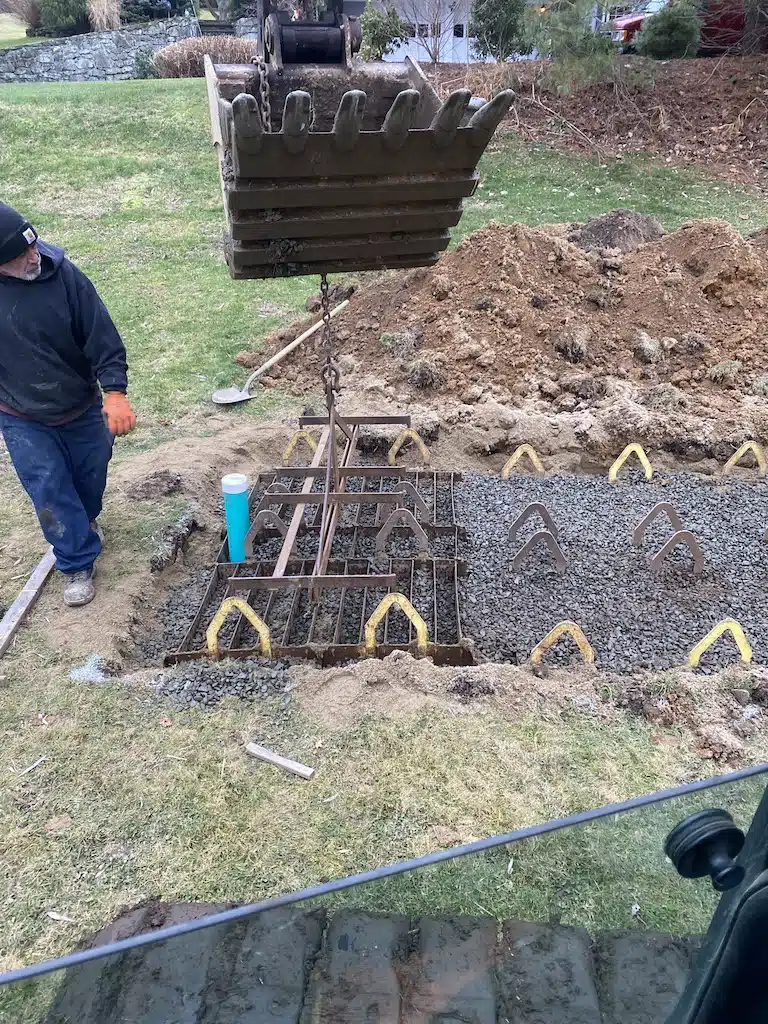
The approved project scope determines the excavations, tank placement, piping work, and drain field preparation required. Installation activities must follow applicable specifications, with necessary inspections completed before covered components are backfilled

Backfill & Restore the Ground

After required inspections and approvals, disturbed areas are backfilled and graded according to the project requirements. I pay attention to surface drainage and ground stability, helping reduce avoidable runoff toward the septic area while preparing the property for its intended use.

Get Your Septic Installation or Repair Project Started

Whether you need a septic tank contractor for a new installation, repair work, or replacement planning, I can help you discuss the excavation and sitework requirements.

At Caraluzzi And Associates, the goal is to make the project easier to understand, from the first conversation through approved installation and final grading. Call (203)-664-1407 today to discuss your septic project in Redding Ridge, CT, or ask about availability in a nearby community.

FAQ

How Much Does it Cost to Install a Septic System?

Septic installation costs depend on tank size, soil testing, system design, excavation depth, drain field requirements, permits, rock removal, and accessibility. An approved plan helps establish accurate pricing.

Septic tank installation may take one to several working days, while complete system projects can take longer depending on permits, excavation conditions, inspections, weather, and design complexity.

A septic tank separates solids and grease from household wastewater. Liquid effluent then flows into a drain field, where surrounding soil provides additional filtration and treatment.

Start with your property’s septic as-built drawing, permit records, or local health department. A qualified professional can locate buried components without risking damage to underground pipes.

Yes, some damaged septic tanks, connections, and pipes can be repaired. Full replacement may be necessary when structural damage, system failure, or regulatory requirements prevent an acceptable repair.