
From preparing land for construction to dealing with septic problems or removing an unwanted structure, property work needs someone who understands what is involved. Caraluzzi And Associates offer excavation, septic system installation and repair, demolition, and commercial snow removal services.
Whether you’re planning an improvement at home or managing a commercial property, I believe in understanding the job before starting work and keeping you informed throughout the project. Call (914) 490-2192 to discuss your property and request an estimate.
A professional commercial snow removal plan starts with what must stay accessible for the property to function. Retail lots, offices, managed facilities, and service businesses have different priorities, so I consider vehicle circulation, customer and employee access, pedestrian movement, and available snow-storage space.
That site-first approach matters because commercial snow management is not simply pushing snow. It is preserving usable space and predictable access. Customer feedback on Caraluzzi’s related excavation and sitework projects repeatedly highlights prompt responses, clear explanations, and staying in touch- communication habits that also matter during winter weather.
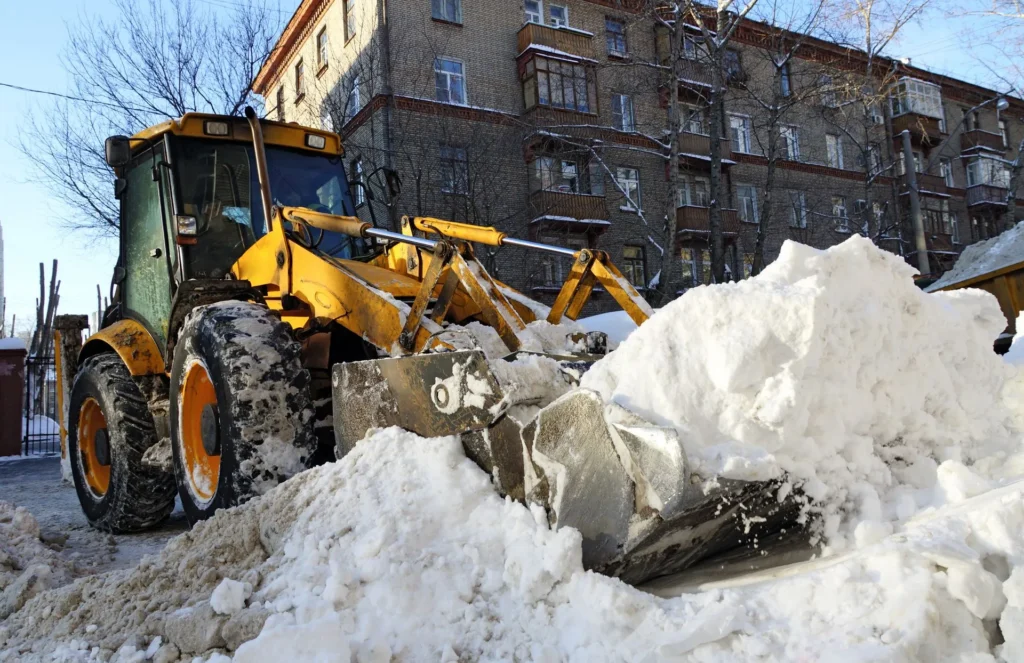
Commercial snow plowing works best when key decisions are made before accumulation starts. Property managers should identify priority entrances, employee and customer parking, access lanes, pedestrian routes, sensitive curbs or islands, drainage structures, and approved stacking areas.
The service agreement should define the areas to be cleared, conditions that activate service, primary contact, priority zones, and how extra work is approved. Clear expectations prevent the common winter problem of two sides assuming “snow removal” means the same thing.
Parking lot snow plowing keeps the main vehicle areas usable for employees, customers, tenants, and deliveries. I focus on drivable lanes, parking access, turning areas, and the practical movement of snow across the lot. The goal is to clear efficiently while protecting usable parking and avoiding poorly placed piles overall.
Business entrances and internal drive lanes can become bottlenecks quickly when snow accumulates. Commercial snow plowing should keep key entry and exit points open, preserve turning room, and support normal circulation. Before the season, I identify the routes that matter most so clearing priorities match how the property actually operates.
Snow-covered pedestrian routes can make it harder for customers and employees to move safely between parking areas and building entrances. Where walkway clearing is included in the agreed scope, I plan around entrances, connecting paths, curb transitions, and other high-use areas so pedestrian access is considered alongside vehicle access too.
Commercial snow removal is easier to manage when the property contact, operating schedule, priority zones, and approval process are established in advance. I use those details to shape the plan for the site. This gives property managers a clearer way to coordinate snow removal for businesses through changing winter conditions.
Snow has to go somewhere, and poor stacking decisions can consume parking spaces, block visibility, cover drainage structures, or interfere with accessible areas. I review potential snow-stacking zones before winter so commercial parking lot snow plowing has a destination for accumulated snow instead of creating access problems after each storm.
Snow across entrances, drive lanes, and parking areas can delay openings and make arrivals difficult. I organize commercial property snow removal around the access points that keep the site functioning, helping preserve routes for customers, employees, tenants, and service vehicles.
Unplanned plowing can push snow into parking spaces or narrow traffic lanes. I consider turning areas, parking rows, islands, and exit visibility so snow is moved with the lot layout in mind instead of being pushed to the nearest edge.
Large piles can block sight lines, cover drainage points, crowd accessible parking, or send meltwater across active areas. Preplanned stacking zones reduce those conflicts and make parking lot snow removal more predictable as accumulation increases through repeated Connecticut winter storms.
Property managers should not have to guess what areas are included or who to contact. A defined scope, service trigger, priority order, and communication path make commercial snow removal easier to manage and reduce misunderstandings when timing matters most onsite.
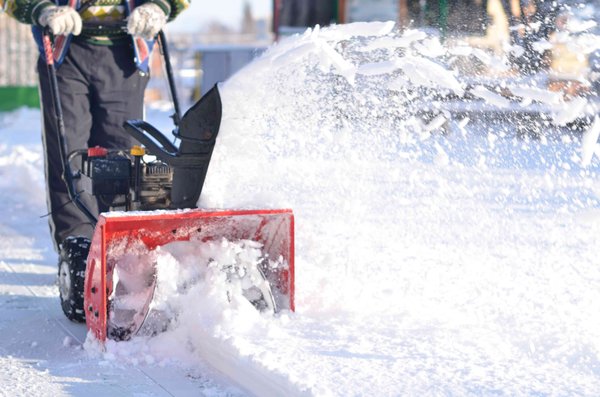
For commercial properties in Redding Ridge and elsewhere in Fairfield County, an important local issue is how Connecticut requirements affect snow placement. State law prohibits owners, lessees, or their agents from placing accumulated snow in required accessible parking spaces. Connecticut DEEP recommends that relocated snow piles be kept out of wetlands, off storm-drain catch basins and drainage swales, and away from drinking-water wells. Those recommendations apply to relocated or removed accumulations rather than ordinary plowing, but they matter when storage space becomes limited.
Redding zoning regulations also emphasize pedestrian walks, parking circulation, curbs, islands, and drainage-related design. A useful winter site map should identify those features so plow routes and snow piles work around the property instead of against it.
Properties outside the immediate Redding Ridge area should confirm route availability before the season.
Every commercial property has different winter maintenance needs. A retail parking lot requires convenient customer access, while an office building may prioritize employee parking and pedestrian routes. At Caraluzzi And Associates, I consider these differences when discussing commercial snow removal requirements.
Customer parking, storefront entrances, loading areas, and vehicle circulation need careful consideration. Poorly positioned snow piles can reduce usable parking spaces and create unnecessary congestion.
Employee arrival times, building access points, parking areas, and internal driveways influence snow-clearing priorities. Planning around business hours helps reduce disruptions during winter weather.
Larger parking areas, delivery access, loading zones, and vehicle turning spaces can require additional attention. Understanding these operational needs helps establish an appropriate commercial snow plowing plan.
Shared parking lots and entrances require coordinated priorities to maintain access for different businesses. Clear communication with property managers helps establish which areas need attention first.
By considering property layout, traffic patterns, and operational requirements, I can help identify a practical snow removal approach suited to your commercial property.
I start by understanding the plowable surfaces, entrances, exits, parking rows, pedestrian routes, obstacles, drainage points, and potential snow-storage areas. This clearly establishes the physical limits of the property and helps identify the zones that need to remain usable first.
Next, the property's operating needs are translated into a practical scope. We identify priority access areas, included surfaces, service triggers, key contacts, and restrictions. Clear scope matters because parking areas, walkways, loading zones, and snow storage can require detailed planning.
When winter weather is expected, property priorities guide the clearing sequence. Commercial snow plowing is organized around access, circulation, and usable space rather than random repeated passes. Communication stays focused on property conditions and decisions that affect the agreed scope.
As storms add accumulation, snow-storage areas shrink, and sight lines or parking capacity can change. I reassess how the remaining space functions and discuss scope changes before piles interfere with drainage, accessible areas, circulation, or normal business use during winter.
Commercial snow removal is easier to manage when the lot layout, priority areas, stacking zones, and expectations are settled before the first major storm. If you manage a business property in or near Redding Ridge, I can discuss the site and current route availability. Call Caraluzzi And Associates at (203)-664-1407 with your property location, lot layout, operating hours, priority access areas, and preferred contract timing.
Commercial snow plowing commonly starts at one to two inches of accumulation, depending on the property’s requirements. The exact trigger should be established before winter.
Yes, commercial parking lot snow plowing can occur during business hours. Clearing priorities should account for parked vehicles, customer traffic, delivery access, and pedestrian movement.
Per-push snow removal charges for individual plowing visits, while seasonal contracts establish pricing for an agreed winter period. The better option depends on property needs and budget.
Snow plowing removes accumulated snow but does not prevent ice formation. Refreezing may require separate ice management or deicing treatments, which should be confirmed with the contractor.
Businesses can improve parking lot accessibility by prioritizing entrances, drive lanes, and accessible parking spaces while establishing snow-stacking locations that preserve visibility and vehicle circulation.